
Brand Photography for Advertising: What Global Campaigns Actually Require
Brand photography for advertising campaigns is different from product photography, lifestyle content, or social media imagery. It’s designed to work across billboards, print ads, digital banners, and point-of-sale materials — often all from the same shoot.
If your brand is investing in an advertising campaign, here’s what the photography component requires and how to plan for it.
What Separates Brand Photography from Product Photography
Product photography shows the product clearly. Clean backgrounds, accurate colors, multiple angles. The goal is to help the customer see what they’re buying. Amazon listings, e-commerce catalogs, and spec sheets use product photography.
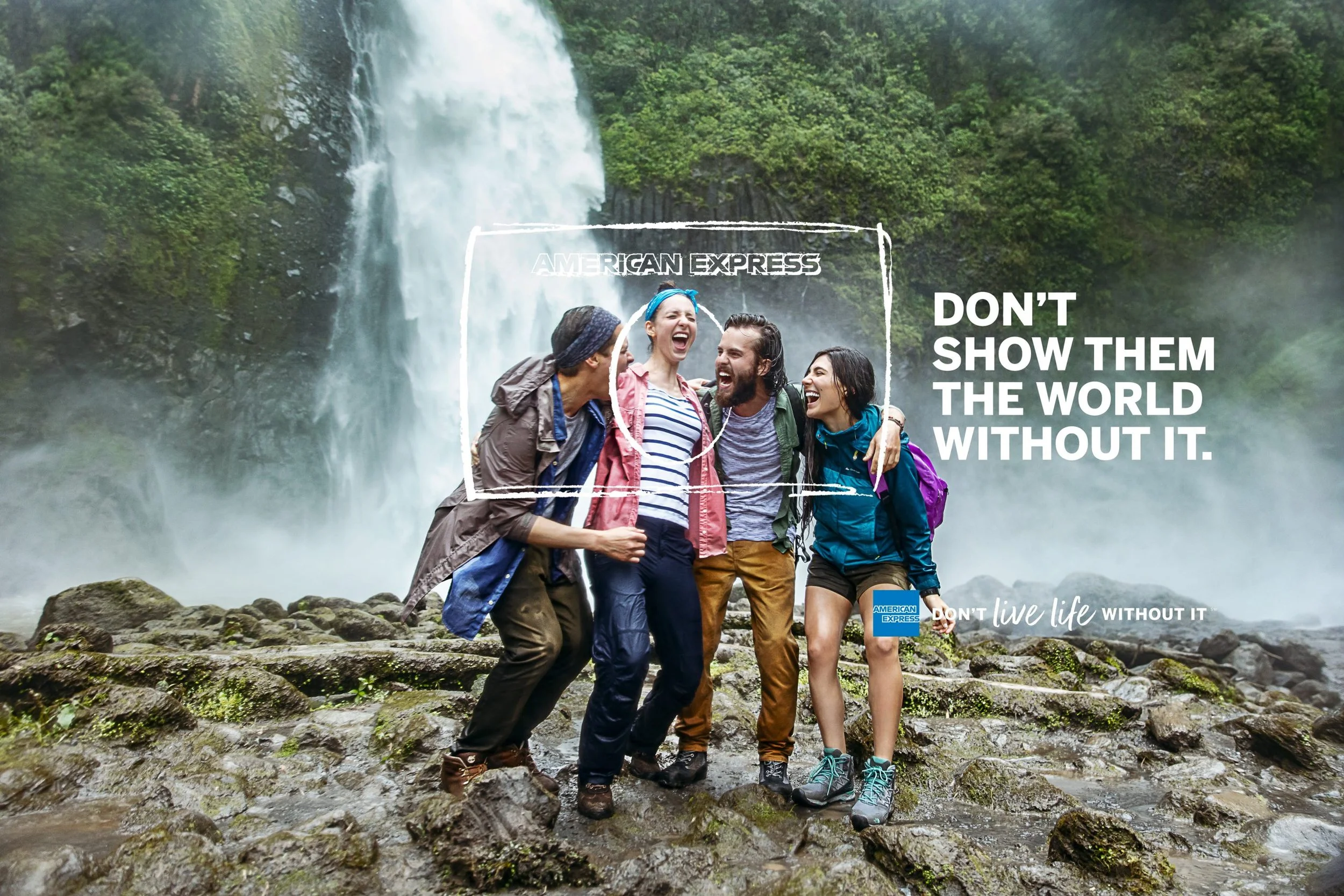
Brand photography for advertising tells a story with the product in it. The product appears in a context — a lifestyle setting, a moment, an emotion — that connects the brand to the consumer’s aspirations. The goal is to make the consumer feel something, not just see the product.
A Coca-Cola product photo shows a can. A Coca-Cola advertising photograph shows a moment of connection between people with a Coca-Cola present in the frame. Both are valuable. They serve completely different purposes.
What a Brand Photography Shoot Involves
Multiple deliverables from one shoot
A single brand photography campaign typically needs to deliver images for:
- Out-of-home (OOH): Billboards, bus wraps, airport displays — extremely high resolution, horizontal format
- Print advertising: Magazine full-page, half-page, and spread formats
- Digital display: Web banners in multiple sizes (leaderboard, skyscraper, rectangle)
- Social media: Feed posts (square), Stories/Reels (vertical), carousel formats
- Point-of-sale: In-store displays, shelf talkers, packaging inserts
- PR and press: High-resolution images for media kits and press releases
This means the photographer must compose shots with multiple crops in mind. A hero image that works as a horizontal billboard needs to also work as a vertical Instagram story and a square social post — often with text overlay space planned in advance.
Art direction and production design
Brand photography for advertising involves significant art direction. Every element in the frame is intentional:
- Background colors and textures are chosen to match brand guidelines
- Props and set pieces reinforce the brand’s world
- Wardrobe and styling reflect the target demographic
- Lighting creates the emotional tone specified in the creative brief
- Product placement is precisely controlled — angle, label visibility, condensation on a cold beverage, steam on hot food
Talent and model coordination
Most brand advertising campaigns feature people. This requires:
- Casting that reflects the brand’s target audience and diversity commitments
- Model releases and usage rights negotiated for all intended platforms and durations
- On-set direction to achieve natural, authentic expressions — not posed or stiff
- Multiple wardrobe changes to maximize the number of distinct images from one shoot day
When the talent is a public figure, the shoot enters celebrity photography territory — with additional considerations around approvals, usage rights, and talent management protocols.
Budget Ranges for Brand Advertising Photography
| Campaign Scope | Budget Range | Typical Deliverables |
|---|---|---|
| Single-product launch | $8,000–$25,000 | 1 shoot day, 10-20 final images, 3-4 formats |
| Seasonal campaign | $25,000–$75,000 | 2-3 shoot days, 30-50 images, full format set |
| Annual brand library | $50,000–$150,000+ | 4-6 shoot days across locations, 100+ images |
| Global campaign | $100,000–$500,000+ | Multi-market shoots, localized talent, agency coordination |
These ranges include pre-production, production, post-production, and standard usage rights. Extended usage (global, multi-year, exclusive) increases talent and licensing costs significantly. For a detailed cost breakdown in a related production category, see our guide on how much a music video costs in Miami — the budget structure follows similar principles.
Common Categories of Brand Advertising Photography
Automotive
Automotive advertising photography requires specialized equipment (car rigs, tracking vehicles), location permits, and detailed post-production. Cars are often shot at dawn or dusk for optimal lighting, and extensive retouching is standard — removing reflections, enhancing paint finishes, compositing backgrounds. Our General Motors multi-market campaign is a good example of what this category involves at scale.
Food and beverage
Food advertising photography demands food stylists who can make products look appetizing under studio lights for hours. Beverage shoots require precise control of condensation, bubbles, and pour shots. These are technically demanding specialties within advertising photography — and the category where data-driven insights about color saturation and visual composition have the most measurable impact on performance.
Fashion and lifestyle
Fashion advertising photography bridges commercial and editorial — the images need to sell while also telling a style story. Location choices, model casting, and styling are critical. The photographer needs to understand current fashion visual language and how it applies to the brand’s positioning.
Financial services and corporate
Corporate brand photography has evolved significantly. Modern financial and professional services brands need imagery that feels human and authentic — not stock-photo-generic. This requires real-feeling scenarios, diverse casting, and environments that look lived-in rather than staged.
How to Brief a Production Company for Brand Photography
A strong brief accelerates the entire process. Include:
- Campaign objectives: What is this campaign supposed to achieve? (Awareness, consideration, conversion)
- Target audience: Who are we speaking to? Demographics, psychographics, and visual preferences.
- Brand guidelines: Color palette, typography, logo usage, tone of voice, existing visual examples.
- Deliverable list: Every format, size, and platform where images will appear.
- Mood board: Visual references showing the desired look and feel.
- Product specifications: Which products or SKUs to feature, hero vs supporting roles.
- Usage scope: Geographic markets, duration, exclusivity requirements.
- Timeline: Delivery deadline working backward to determine shoot dates.
- Budget range: Even an approximate range helps the production team propose a realistic scope.
Related:
- Video Content Strategy for Brands
- Data-Driven Production: How It All Connects
- Case Study: Pepsi — From Creative Brief to Effie Award
- From Idea to Impact: Why Creativity Alone Doesn’t Drive Results
- All Case Studies
ASA Films produces brand advertising photography for global clients including General Motors, Pepsi, Coca-Cola, American Express, Volkswagen, and Diners Club. We handle campaigns from creative development through multi-format delivery, with two decades of production experience across 12 countries. View our work or request a proposal.
Deja un comentario